En Stage
Your home for all things ensemble.
Center Stage

Culture & Community on Purpose
Inside the Vision of Ensemble Chair Dr. Trineice Robinson Martin
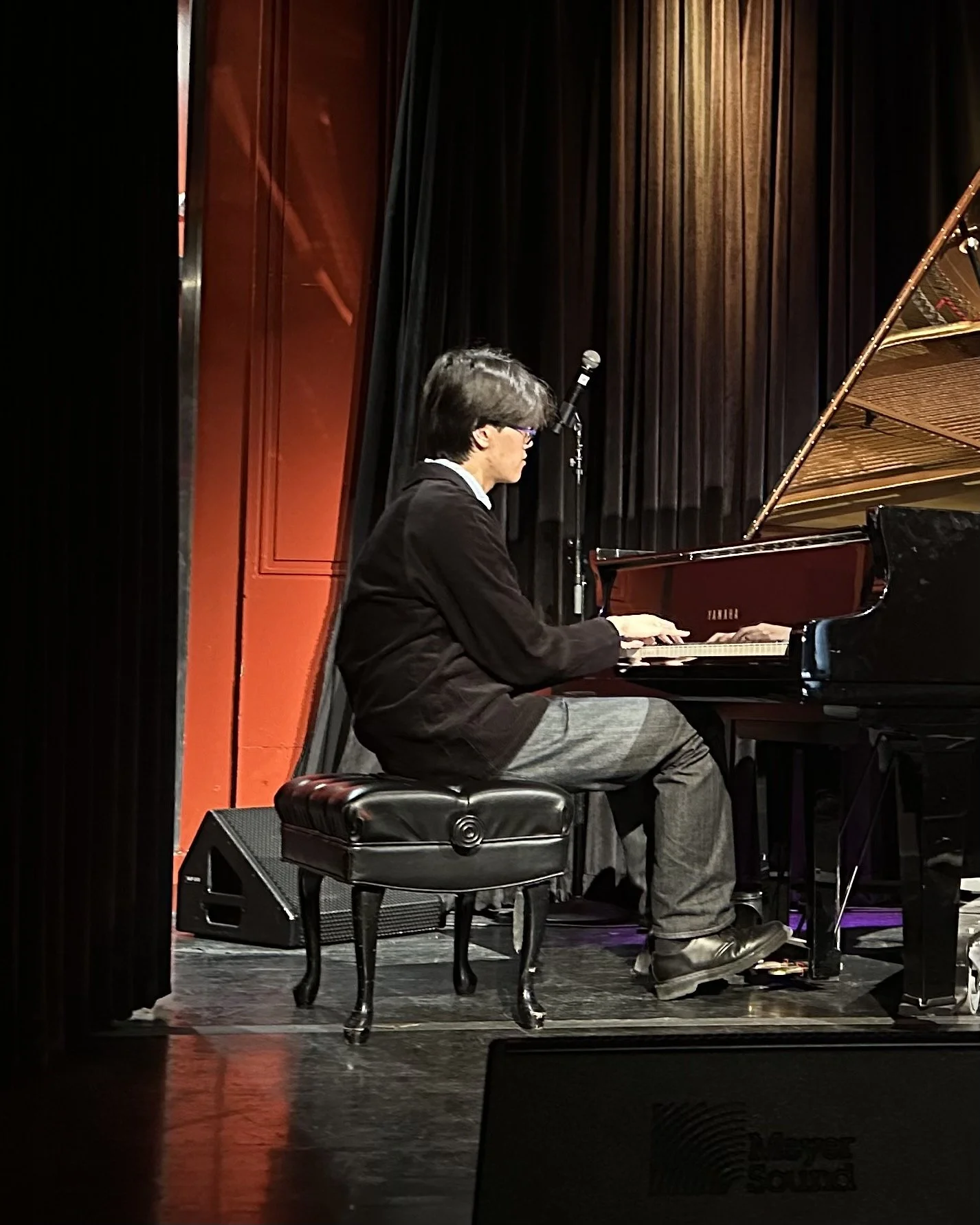
Finding the Sound Within
Piano Student Aiden Woojin Chiang on Listening, Collaboration, and Musical Community

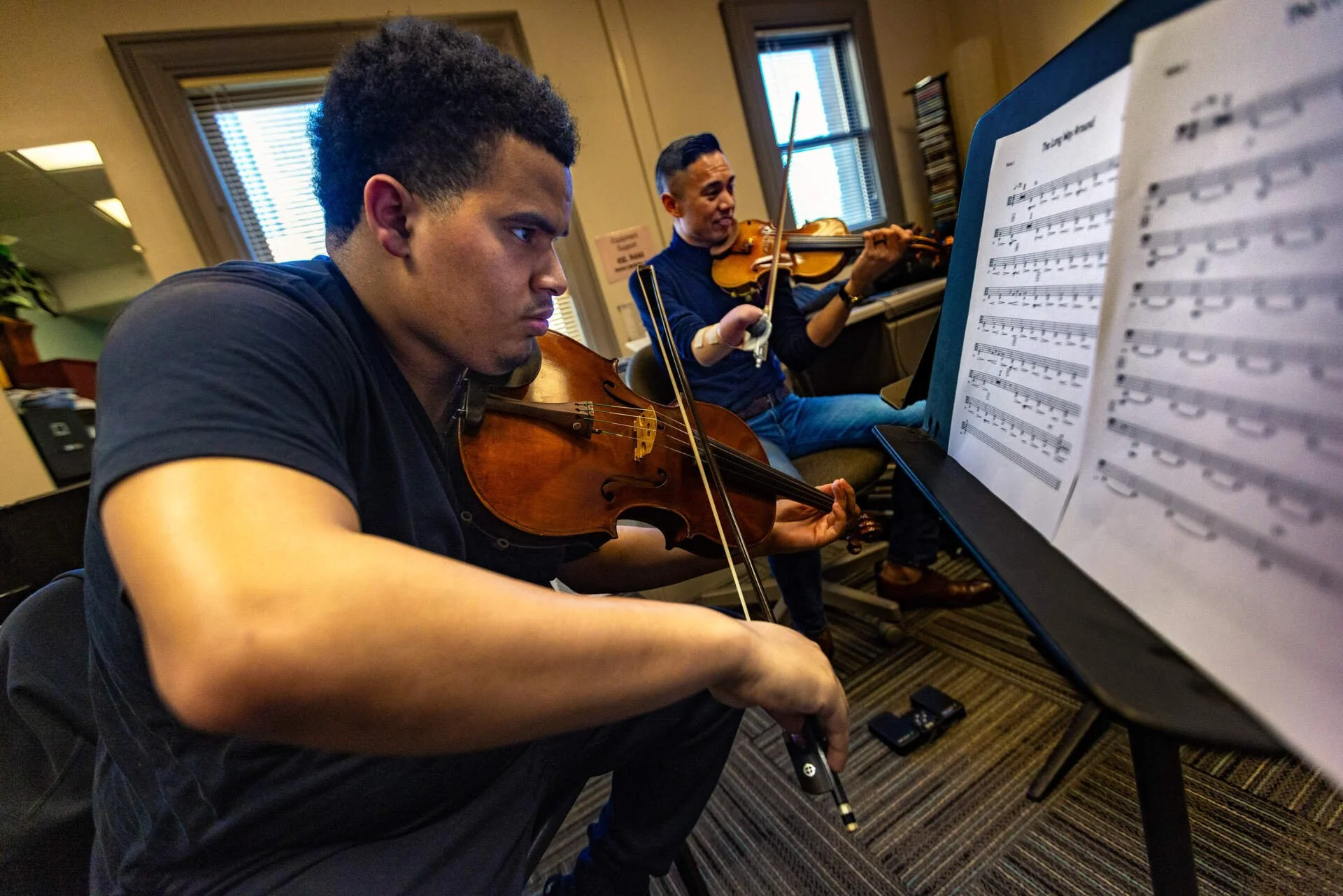
Building Bridges Through Sound
A Conversation with Professor Mar Fayos
Ensemble Spotlight:
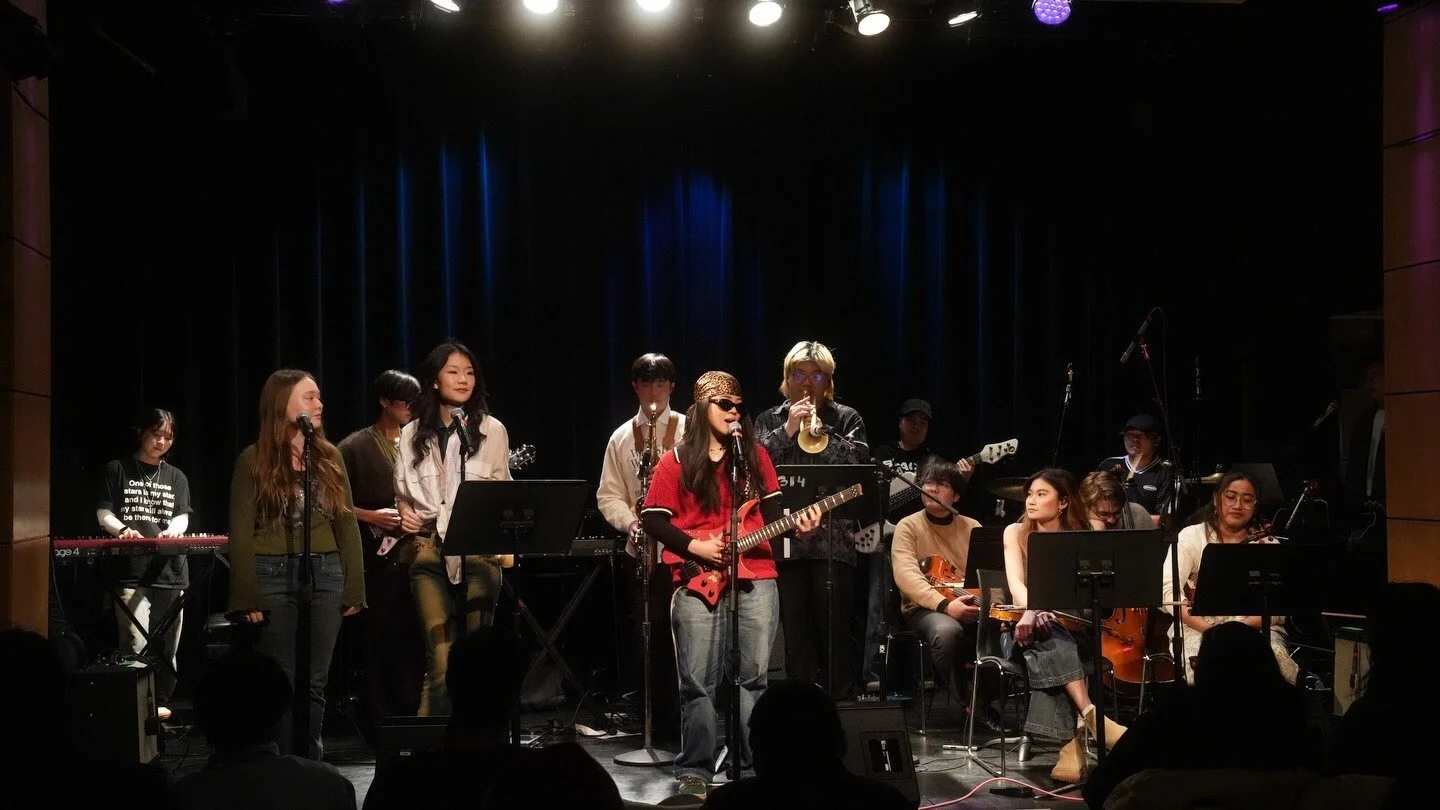
Asia Rising
Under the direction of Professor Edvard Lee, this Berklee ensemble highlights and explores the people, places, and stories shaping Asian and Asian American music while serving as an incubator for for emerging artists and those looking to prepare to engage with global music and entertainment industries.
Soundcheck
Inside the Ensemble.
The Space Between the Notes
What actually makes an ensemble sound good?
Most musicians will say timing. Some will say tone.
Others might say feel but ALL of these elements matter.
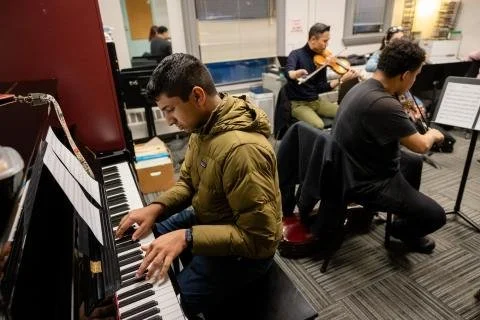
Inside an ensemble, there is something even more important happening. Something less visible, but more powerful: Listening.
Not passive listening, waiting for your turn or simply reacting.
Great ensemble players are committed to ACTIVE listening.
It’s the kind of listening where you are aware of what every person in the room is contributing. Active listening allows you to adjust in real time. This kind of listening turns a group of individual musicians into one single, moving sound.
In ensemble settings, the most impactful players are rarely the loudest or the most technically advanced. They are the ones who understand space.
They know when to step forward, when to support and when to leave space.
This type of awareness creates trust. That trust is what allows an ensemble to take risks where audiences can not only hear but also feel the difference almost immediately.
A group that is only focused on getting the notes right will sound organized.
A group that is truly listening will sound alive.
Try This Listening Exercise in Rehearsal
Exercise 1: The Drop Out Test
Play through a section of a song as normal. Then repeat it, but this time:
• One or Two players drop out every 8 bars
• No one announces when they will stop
Your goal is to:
• Notice what disappears
• Adjust dynamically without overplaying
• Keep the groove intact
What this exercise can builds: awareness of texture, nonverbal communication and instinct between band members, more sensitivity to balance and roles.
“We are not just training musicians. We are training cultural ambassadors.”