Ensemble Chair: Dr Trineice
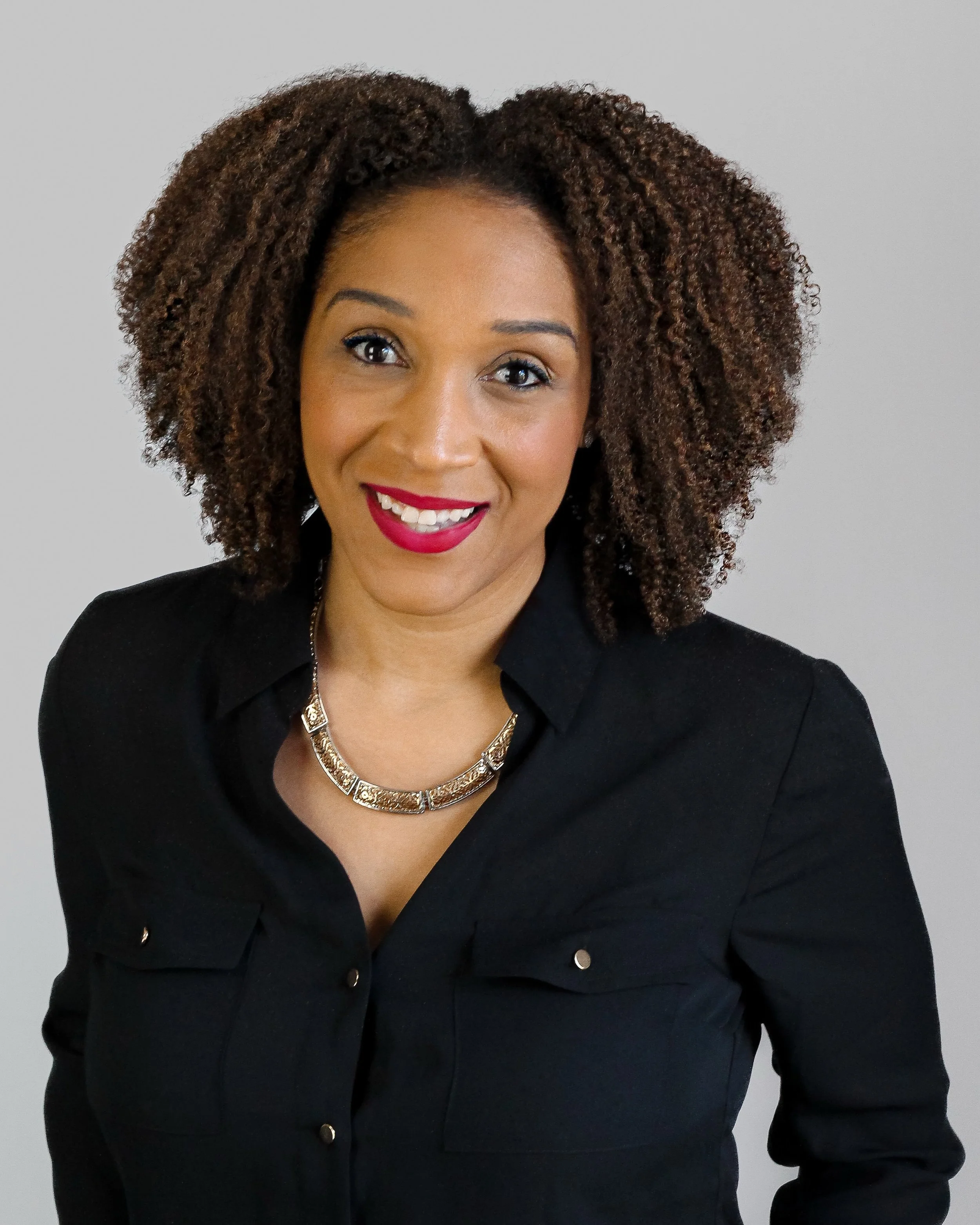
Culture and Community on Purpose
Inside the Vision of Ensemble Chair, Dr. Trineice Robinson Martin
How cultural authenticity, collaboration, and pedagogy are shaping the future of Berklee’s Ensemble Department
When Dr. Trineice Robinson-Martin speaks about music education she goes deeper than notes, technique, or performance. Her description of pedagogy centers around people, creative integrity and especially, cultural authenticity.
“Music is not just sound,” she says,. “It is culture, it is community, it is a story.” As Chair of the Ensemble Department at Berklee College of Music, Dr. Martin leads one of the largest and most dynamic ensemble programs in the world, serving over 2,000 students across more than 400 ensembles, yet for her, scale is not the defining feature; Purpose is.
The Practice of Music as Life
At Berklee, ensembles are living, breathing ecosystems where students learn how to engage with music as a cultural and collaborative practice.
“This ensemble department is the practice of making music at Berklee,” Dr. Martin explains,. “It is where culture is cultivated. It is life in practice.”
Unlike traditional programs that may focus primarily on technique, Berklee’s ensemble experience emphasizes something deeper. Students are not only learning how to play, they are learning how to listen, respond, and exist within a musical community. From R&B, gospel, and jazz to Balkan choirs, J- Pop, K- Pop, Latin ensembles, and beyond, the department reflects a global musical landscape rooted in both heritage and innovation. “There are very few things that we do not have here,” she says,. “and that diversity allows students to experience collaboration through culture.”
“Genres are not just sounds. They are cultural representations of people.”
From Engineering to Education Pioneer
Dr. Martin’s path into music was anything but linear. “I was initially an engineering major,” she says. “I was good at math and science, and I thought music would just be something I did on the side.”
She ultimately changed her major to music, but as she continued performing and studying, something began to surface. “I realized I did not have the teacher I needed,” she explains. “I was trained, but I did not understand how to sing within the cultural context of the music I loved.” That realization became the foundation of her life’s work. Through advanced study and research, she began to explore how voice pedagogy could better reflect the cultural origins of different musical styles. This journey ultimately led to the development of her groundbreaking methodology.
Soul Ingredients®: Teaching from the Inside Out
At the center of Dr. Martin’s work is Soul Ingredients®, a voice pedagogy framework that integrates science, identity, and culture.
“It is a science-informed methodology that helps singers develop technique that is right for their voice,” she says,. “But it is rooted in the cultural context of what they are trying to sing.”
Her definition of soul reframes the entire conversation: “Soul is the unapologetic, passionate communication of who you are, what you believe, and how you feel about it.”
Rather than forcing singers into a single standardized sound, Soul Ingredients® empowers artists to develop voices that are both technically sound and culturally authentic.
“We are not just training musicians. We are training cultural ambassadors.”
A Voice in the Field and a First of Many
As a published author and leading scholar in vocal pedagogy, Dr. Martin has contributed to major texts including “Teaching Singing in the 21st Century” and “So You Want to Sing Gospel.”.
Her research has helped formalize approaches to teaching Black American music styles within academic spaces. She is also part of a rare and important lineage.
“When you look at the leaders in this field, very few of them are Black,” she says,. “so I have had to be very intentional about what I say and how I say it.”
That responsibility is something she carries with both pride and care. “I feel like I have to get it right,” she explains, “because people will listen to what I say as an authority.”
Representation, Responsibility, and Impact
Dr. Martin did not initially set out to become a visible symbol of representation, but through her work, her presence, and even her decision to embrace her natural hair, she has come to understand the depth of her impact. “I did not realize how important it was until I saw how people responded,” she says. “Representation matters in ways you do not always see right away.”
Still, she is clear that this work is not about carrying everything alone. “It is special, but it is also complex,” she says. “I am part of something bigger.”
“I am here to codify culture and amplify what already exists.”
What Students Often Miss
In ensemble settings, one of the most important lessons is also one of the most overlooked. “Playing at the same time is not the same as playing together,” Dr. Martin says.
True collaboration requires awareness, adaptability, and intention. It requires musicians to understand when to lead, when to support, and how to elevate the people around them.
“How do I play in a way that makes the person next to me sound greater?” she asks. “That is the work.”
Culture, Technology, and the Future of Music
As the music industry evolves, Dr. Martin is focused on ensuring that technology enhances rather than replaces human expression.
“We have to use technology as a tool, not a substitute,” she says.
With the rise of artificial intelligence and digital creation, she emphasizes the importance of maintaining cultural authenticity and human connection. “What can get lost is the “why” behind the music,” she explains,. “the cultural context, the human experience.” For Dr. Martin, the future of ensembles lies in this balance. “How do we honor legacy while creating something new together?”
“At our best, ensembles are spaces of cultural exchange.”
Leading with Intention
When asked how she hopes to be remembered in her role, Dr. Martin does not point to accolades or expansion. She speaks about clarity.
“I hope people say that I was intentional about forward movement,” she says. Her vision for the department includes clearer pathways for students, stronger connections to industry, and a deeper articulation of what makes Berklee ensembles so powerful. “There is so much here,” she says. “My role is to help make it visible.”
Why Community Still Matters
In a world increasingly shaped by screens and digital interaction, Dr. Martin believes ensembles offer something essential.
“Ensembles remind us of the human power of being in the same space,” she says, describing it as a human connection that cannot be replicated.
“You can play together online,” she adds,. “but you cannot replace what happens when people share energy in real time.”
“Community in music is not optional. It is the point.”
At a Glance: Dr. Trineice Robinson Martin
Role: Chair, Ensemble Department, Berklee College of Music
Background: Former Princeton University faculty member and leading scholar in vocal pedagogy
Specialization: Black American music styles, voice science, culturally responsive teaching
Founder: Soul Ingredients® methodology
Publications: Contributor to major vocal pedagogy texts, including “Teaching Singing in the 21st Century” and “So You Want to Sing Gospel.”
Leadership Focus: Cultural authenticity, collaboration, and codifying the ensemble experience
Philosophy: Music education is about storytelling, identity, and cultural responsibility.
Personal: Mother of two, with a daughter in jazz bass and a son in musical theater.
